From Scrolling to Sleeping: How Tech Quietly Fixed My Nights
Ever found yourself still swiping through videos at 1 a.m., vowing to sleep earlier tomorrow? I’ve been there—tired but wired, staring at a glowing screen while my body screamed for rest. It wasn’t just bad willpower. The real problem? My nighttime habits were silently sabotaged by how I used technology. But here’s the good news: the same tech that disrupted my sleep also helped rebuild better habits. Let me show you how small, intentional changes made a powerful difference—without giving up my devices completely.
The Midnight Trap: When Your Phone Becomes Your Bedtime Enemy
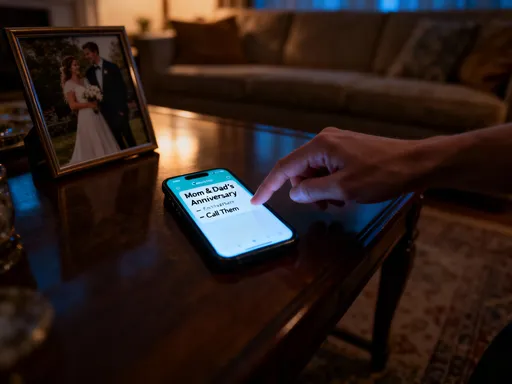
Picture this: it’s 10:30 p.m., you’ve finally finished the dishes, tucked in the kids, and maybe even squeezed in ten minutes of stretching. You crawl into bed, exhausted, and reach for your phone—just to ‘check in’ one last time. One message leads to another. A quick scroll turns into 45 minutes of watching cooking fails, travel reels, and heartfelt pet videos. Before you know it, it’s past midnight, your eyes are dry, your neck aches, and sleep feels like a distant dream.
This wasn’t just a bad night here and there—it was my routine. I thought I was relaxing, but my brain was actually on high alert. The blue light from my screen was suppressing melatonin, the hormone that tells your body it’s time to sleep. And it wasn’t just the light—every ping, every new post, every autoplaying video kept my mind engaged, curious, and awake. I wasn’t winding down. I was revving up.
What made it worse was the guilt. I’d lie there thinking, I should’ve stopped sooner. I know better. Why can’t I just put it down? But blaming myself wasn’t helping. The truth is, our devices aren’t designed to be easy to put down. They’re built to keep us engaged, especially during those quiet, vulnerable hours when we’re looking for comfort, distraction, or connection. Recognizing that shifted everything. It wasn’t about willpower. It was about design—both of the technology and of my own habits.
Why We Stay Up: Understanding the Real Temptations
Let’s be honest—no one plans to stay up until 1 a.m. scrolling. It just… happens. And it’s not because we’re weak or undisciplined. It’s because the apps we love are engineered to be irresistible. Think about it: when you open a video app, it doesn’t ask, “Want to watch one short clip?” No, it starts playing the next one before you’ve even finished the first. That’s autoplay, and it’s just one of many tricks.
Notifications are another big one. That little red dot, the soft chime—it pulls us in like a whisper saying, “You don’t want to miss this.” And because the content is personalized, it feels relevant, urgent, even comforting. We check because we might see a sweet message from a friend, a funny meme from our sister, or an update from a group we care about. It’s not mindless scrolling—it’s a search for connection, laughter, or a sense of belonging.
And that’s the real temptation: not entertainment, but emotional relief. After a long day of managing schedules, meals, emotions, and responsibilities, our brains crave a break. We turn to our phones because they offer instant comfort with zero effort. But what feels like relaxation in the moment can cost us dearly in sleep quality. The more stimulated we are, the harder it is to switch off. It’s like trying to fall asleep after a cup of espresso—your body is tired, but your mind is still buzzing.
Understanding this helped me stop judging myself. I wasn’t failing. I was responding exactly how these tools were designed to make me respond. The good news? If technology can pull us in, it can also help us step back.
The First Step: Replacing Guilt with Smart Routines
When I first decided to change, I went all in—no phones after 8 p.m., zero screen time, total digital detox. Spoiler: it lasted two days. I felt deprived, disconnected, and honestly, a little resentful. I realized I didn’t need perfection. I needed something that fit my real life.
That’s when I discovered habit stacking—the idea of linking a new behavior to one I already do without thinking. For me, that was my nighttime skincare routine. Every night, I wash my face, apply serum, moisturizer, maybe a little eye cream. It’s automatic. So I added one small step: after I finish my routine, I plug my phone into the charger… outside the bedroom.
At first, it felt awkward. I’d catch myself reaching for it during commercials or when I couldn’t sleep. But I started leaving a notebook on my nightstand instead. If a thought popped up—remember to buy oat milk, call the dentist, send that birthday card—I’d jot it down. It felt satisfying, like I was capturing the thought without inviting the whole digital world in.
My husband noticed. “You’re not on your phone as much at night,” he said one evening. “It’s quieter in here.” That small comment told me something had shifted. I wasn’t just changing a habit—I was changing the energy of our bedroom. It became a place for rest, not scrolling. And the best part? I didn’t have to be perfect. If I brought my phone in one night, it was okay. I just tried again the next day. Progress, not perfection, became my mantra.
Calming the Mind: Apps That Help Instead of Harm
Here’s a secret: not all screen time is created equal. While social media and videos keep your brain alert, other apps are designed to do the opposite—to calm, guide, and soothe. I used to think I had to choose between tech and relaxation. Now I know I can have both, as long as I choose wisely.
One of my favorite discoveries was a simple breathing app. It shows a gentle animation—a circle that expands and contracts—and guides you to breathe in for four seconds, hold for four, and exhale for six. I use it for just five minutes before bed. No screen focus, no content to consume. Just rhythm. It’s like a mini meditation that doesn’t require me to sit still or clear my mind completely—something I’ve never been great at.
Then there are sleep stories. I know, it sounds a little silly at first—listening to someone read a calm, fictional tale about walking through a quiet forest or sailing on a still lake. But it works. The voice is slow, steady, and soothing. There’s no plot twist, no cliffhanger. It’s meant to lull you, not hold your attention. I play it on my tablet, but I set it to speaker mode and face the screen down. That way, I get the sound without the light.
I also created a “soft start” playlist—just gentle piano, nature sounds, or soft instrumental music. I set it to play for 30 minutes and then fade out. It replaces the jarring silence of a quiet house with something warm and familiar. My daughter even asked if she could use it when she can’t sleep. Now we share it—her with her headphones, me from the speaker on my nightstand. It’s become part of our nighttime connection, not a barrier.
Setting Boundaries That Stick: Automation Without Effort
Here’s what I’ve learned: willpower is helpful, but systems are better. Relying on myself to make good choices every night was exhausting. But when I set up my phone to help me, it became effortless.
One of the most powerful tools I use is screen grayscale. I set my phone to turn the display black and white at 9 p.m. It sounds minor, but it’s a game-changer. Suddenly, those colorful, vibrant videos and photos lose their appeal. A grayscale screen just doesn’t feel as exciting to scroll through. It’s like turning down the volume on temptation.
I also use scheduled “Do Not Disturb” mode. From 9:30 p.m. to 7 a.m., my phone silences all notifications except for calls from my immediate family. I don’t miss emergencies, but I’m not pulled into group chats or work emails at midnight. And I set app timers for the ones I tend to overuse—just 30 minutes a day for social media. When the time’s up, the app closes with a gentle reminder: Time to take a break.
The best part? These features come built into most phones. No downloads, no subscriptions, no complicated setups. I spent about ten minutes one Sunday afternoon adjusting my settings, and now they work for me every single night. I don’t have to decide. The system decides for me. And that makes all the difference.
A New Kind of Wind-Down: Building a Personal Night Ritual
Sleep isn’t just about avoiding screens. It’s about creating a rhythm that signals to your body and mind: It’s time to rest. I’ve built a simple, comforting routine that blends low-tech comfort with smart tech support.
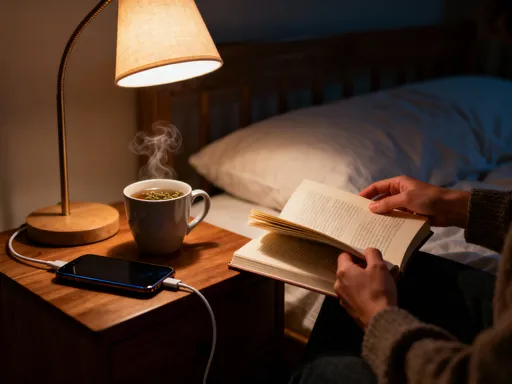
About an hour before bed, I dim the lights. I light a candle—vanilla or lavender—or turn on a soft lamp. I make a cup of caffeine-free herbal tea, usually chamomile or passionflower. I sit quietly, sometimes journaling a few thoughts: what went well today, what I’m grateful for, anything I’m letting go of. It’s not therapy. It’s just a moment to breathe and reflect.
Then, as I get into bed, I start my calming playlist or open my breathing app. My phone stays on the nightstand, screen down. If I wake up in the middle of the night, I don’t check the time on my phone. I use a small analog clock instead—no light, no temptation.
Some nights, I use a sleep-tracking feature on my phone or a simple wearable. Not to obsess over data, but to notice patterns. I learned that I sleep better when I start my wind-down routine before 9 p.m., and when I avoid screens completely after 10. That knowledge helped me adjust, not out of guilt, but out of care for myself.
This ritual isn’t rigid. Some nights are messier than others. But having a gentle structure helps me return to center. And the tech? It’s not the star of the show. It’s the quiet supporter—there when I need it, unobtrusive when I don’t.
Waking Up Better: The Ripple Effect of Restful Nights
The first thing I noticed after a few weeks of these changes wasn’t just more sleep—it was more presence. I woke up feeling clearer, calmer, and more ready to face the day. I had more patience with my kids in the morning. I wasn’t snapping over spilled cereal or forgotten backpacks. I could take a breath and respond, not react.
At work, I felt sharper. I could focus on one task without jumping to my inbox every five minutes. I made better decisions, not because I was working harder, but because I was thinking more clearly. And in my relationships, I felt more connected. I had energy for real conversations, not just surface-level updates.
But the biggest change was internal. I felt more in control—not of my phone, but of my time and attention. I realized that how I end my day shapes how I begin the next. And when I honor my need for rest, I show myself respect. This isn’t just about sleep. It’s about self-care, one quiet night at a time.
What I love most is that I didn’t have to give up technology. I just learned to use it differently—on my terms. The same devices that once kept me awake now help me wind down. They’ve become tools for peace, not distraction. And that shift has changed more than my sleep. It’s changed how I move through the world—slower, kinder, and more intentionally.
If you’re still scrolling when you should be sleeping, I get it. I’ve been there. But I also know there’s another way. It starts with one small change—charging your phone outside the bedroom, setting a bedtime mode, trying a breathing app. These aren’t drastic fixes. They’re quiet invitations to care for yourself. And sometimes, the softest changes make the loudest difference.