More Than Just Quiet: How Notification Settings Gave Me Back My Focus and Peace
Have you ever felt like your phone controls you instead of the other way around? I used to jump every time my phone buzzed—emails, social updates, random app alerts. It wasn’t just distracting; it drained me. Then I started paying attention to something small but powerful: my notification settings. What began as a simple cleanup turned into a life-changing habit. I found more focus, better sleep, and even deeper conversations with the people I love. This isn’t about deleting apps or going offline—it’s about taking quiet control.
The Breaking Point: When My Phone Became the Boss
It was a Tuesday evening, and I was sitting at the dinner table with my family. My youngest daughter told a joke—one of those silly ones only kids can pull off—and everyone laughed. Everyone except me. I had just felt my phone vibrate in my pocket, and without even thinking, I reached for it. By the time I looked up, the moment had passed. My daughter’s smile faded, and she said, “You didn’t even hear me, did you?” That stung. Not because she was angry, but because she was right. I hadn’t been present. I had been pulled away by a tiny buzz, a flash of light on a screen, and I missed something real.
That wasn’t the first time it happened. In fact, it had become routine. I’d be reading with my son before bed, and a notification would pop up—some app I barely remembered downloading. I’d glance at it. Then another would follow. Before I knew it, ten minutes had passed, and my son was waiting quietly, book in hand, wondering when we’d start again. I began to notice how often I was reacting to my phone instead of living in the moment. It wasn’t just during family time. At work, I’d start writing an email, only to be interrupted by a social media alert. While walking the dog, I’d stop to check a message that wasn’t urgent. My attention was scattered, and I felt constantly on edge, like I was always one buzz away from missing something important—even though, most of the time, nothing was truly urgent.
The truth hit me: my phone wasn’t serving me anymore. I was serving it. The apps weren’t designed to help me—they were designed to grab my attention, over and over. Every ping, every vibration, every little red badge was a tiny demand on my time and focus. And I was saying yes to all of them, without even realizing it. I wasn’t using my phone; it was using me. That realization was my breaking point. I knew I had to change something—not because I wanted to reject technology, but because I wanted to reclaim my life. And the first place I decided to start? Notification settings. Not deleting apps, not going on a digital detox—just turning off the noise.
Small Switch, Big Shift: What Happened When I Turned Off One Alert
I started small. Too many changes at once would have felt overwhelming, and I knew I’d give up. So I picked one app—just one—and turned off its notifications. I chose a social media app I used often but didn’t need to check instantly. It wasn’t where I got important messages from family or work updates. It was just… noise. I went into my phone’s settings, found the app, and switched off the alerts. That was it. No drama. No fanfare. Just one toggle, turned off.
But the effect was immediate. The next day, I noticed something strange: I didn’t miss it. I didn’t feel the urge to check my phone every few minutes. During a work meeting, instead of glancing at my screen when I felt a buzz, I stayed focused on the conversation. Walking the dog, I actually paid attention to the trees changing color, the way the wind sounded in the leaves. I wasn’t being pulled away by constant updates. It felt like a weight had lifted. I realized how much mental energy I’d been spending just reacting to alerts—anticipating them, checking them, deciding if they mattered. Now, that energy was mine again.
What surprised me most was how much calmer I felt. Without that constant drip of information, my mind had space to breathe. I wasn’t on high alert anymore, waiting for the next ping. I started to notice the difference in my mood—less anxious, more grounded. And it was all because of one small change. That’s when I understood: I didn’t need to overhaul my entire digital life. I just needed to start. One alert off led to another. Then another. Each time, I asked myself: Does this notification truly matter? Does it help me, or does it just distract me? The answers were clearer than I expected. And with each switch I turned off, I felt a little more in control.
Designing My Digital Calm: Creating Personal Notification Rules
Once I saw how powerful a single change could be, I wanted to go further. But I didn’t want to live in fear of my phone or cut myself off completely. I still needed to stay connected—to my family, my work, my friends. So instead of turning everything off, I decided to design a system that worked for me. I asked myself: What kind of digital life do I want? What kind of attention do I want to give, and when? This wasn’t about punishment or restriction. It was about intention. I wanted my phone to support my life, not steal from it.
I started by sorting my apps into three simple categories. The first group was “urgent”—alerts I truly needed to see right away. That included phone calls and text messages from my family, especially my kids’ school or my partner. If someone I loved was trying to reach me, I wanted to know. The second group was “check later”—things that were important but not time-sensitive. Email fell into this category, along with calendar reminders and news apps. I didn’t need to see those the second they arrived, but I did want to review them at a time that worked for me. The third group was “never notify”—everything else. Social media, shopping apps, games, weather updates, random promotions. These could wait. Most of them, I realized, I didn’t even need to check every day.
Setting this up was easier than I thought. I didn’t need any special tools or downloads. Everything I needed was already in my phone’s settings. I went through each app one by one, just like I had with the first one, and adjusted the notifications based on my rules. I also turned off banners and sounds for most apps—keeping only vibrations for the “urgent” ones, so I’d know if something truly needed my attention. For everything else, silence. No lights, no noises, no distractions. I even changed my home screen to hide the most tempting apps, putting them in a folder on the second page. Out of sight, out of mind.
The result? My phone became quieter—literally and mentally. But more than that, it became more useful. I wasn’t overwhelmed by alerts anymore. I could check the things that mattered on my own time, without feeling like I was behind. I started checking email twice a day instead of constantly. I looked at social media during breaks, not during dinner. And when my phone did buzz, I knew it was something worth paying attention to. This wasn’t about giving up technology. It was about designing it to work for me, not against me.
Time Gained: How Fewer Alerts Gave Me Back Hours
One of the most surprising benefits of changing my notification settings was how much time I got back. At first, I didn’t think much about it. I just noticed I wasn’t checking my phone as often. But after a few weeks, I started paying attention to how I was spending my time. I realized that all those little interruptions—the quick glances, the “just one more scroll” moments—had been stealing minutes here and there, adding up to hours over the week.
Research shows that the average person checks their phone over 100 times a day. Even if each check only takes 15 seconds, that’s more than 25 minutes lost to mindless scrolling. And that doesn’t count the time it takes to refocus after each interruption. Studies suggest it can take up to 23 minutes to get back into deep work after a distraction. When you multiply that by several alerts a day, you’re losing hours of productive, meaningful time. I didn’t need exact numbers to know this was happening to me. I could feel it. Tasks that used to take me an hour now took 40 minutes. I had space to think, to plan, to just sit quietly with a cup of tea.
That time didn’t disappear—it went somewhere. I started using it to read books again, something I hadn’t done regularly in years. I picked up a novel before bed instead of scrolling through social media. I used lunch breaks to walk outside, not just sit at my desk with my phone. I even started journaling, jotting down thoughts and ideas that had been too noisy to hear before. And perhaps most importantly, I had more mental space. I wasn’t constantly switching gears, trying to remember what I was doing before the last alert pulled me away. I could finish a thought. I could listen fully. I could breathe.
This wasn’t about being more productive in the traditional sense—though I was. It was about being more present. The time I gained wasn’t just minutes on a clock. It was time to be with myself, to reflect, to grow. And that, I realized, was the real gift of turning off the noise.
Deeper Connections: Being Present With People, Not My Phone
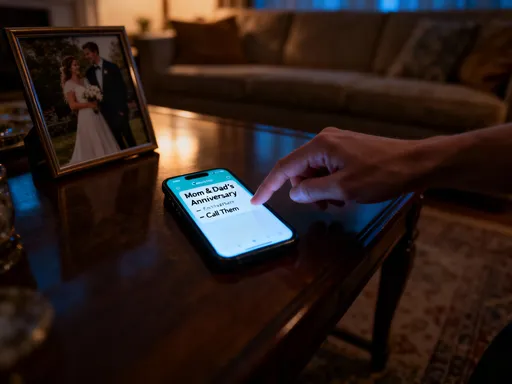
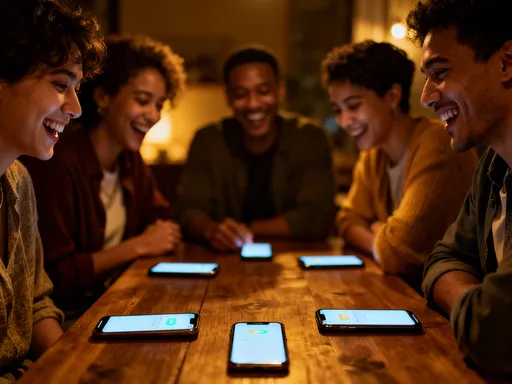
One of the most meaningful changes I noticed was in my relationships. When I stopped being pulled away by notifications, I started showing up more—really showing up—for the people I love. I began having phone-free dinners, where we all put our devices away and just talked. At first, it felt awkward. We were used to checking our phones between bites. But soon, it became something we looked forward to. My daughter started sharing more—about school, her friends, her worries. My son told me stories I would have missed if I’d been distracted. We laughed more. We listened better.
I also started noticing the small moments—the way my partner smiles when she’s telling a story, the way my dog wags his tail when I come home. These are things I had been missing, not because I didn’t care, but because I wasn’t fully there. Now, I was. And it made a difference. My daughter once said, “Mom, you’re not looking at your phone as much. I like that.” That simple comment meant more than any app notification ever could.
I also found myself being more emotionally available. Without the constant pull of digital distractions, I had more patience, more presence, more heart to give. I wasn’t multitasking during conversations. I wasn’t half-listening while checking a message. I was right there, in the moment, with the person in front of me. And that made all the difference. My relationships didn’t just improve—they deepened. I felt more connected, more understood, more loved. And I realized that technology, when used with intention, can support these connections—but only if it doesn’t get in the way.
Sleeping Better, Thinking Clearer: The Unexpected Health Perks
Another change I didn’t expect was how much better I started sleeping. For years, I’d been scrolling through my phone in bed, telling myself I was “just winding down.” But the truth was, I was keeping my brain active, exposed to blue light and constant stimulation. My sleep suffered—tossing and turning, waking up tired, feeling groggy in the morning.
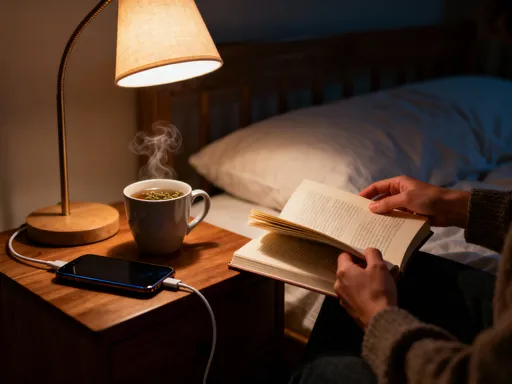
Once I turned off evening notifications, that began to change. I set a rule: no alerts after 8 PM, except for calls from family. I also started using the “Do Not Disturb” mode at night, so even if someone forgot and sent a text, my phone wouldn’t light up or buzz. The difference was remarkable. Without the temptation to check my phone, I started reading before bed instead. I’d journal, meditate, or just lie there in the quiet. My mind had space to slow down. I fell asleep faster. I slept more deeply. And I woke up feeling more rested.
But it wasn’t just about sleep. I noticed my anxiety levels dropping. Without the constant drip of information, my nervous system wasn’t on high alert anymore. I wasn’t bracing myself for the next bad news alert or social comparison. My thoughts felt clearer, calmer, more focused. I could make decisions more easily. I felt less overwhelmed. Even my focus at work improved—I could concentrate on one task without jumping to another every few minutes. These weren’t dramatic changes. They were subtle, gentle shifts. But over time, they added up to a much better quality of life.
A Sustainable Habit: Making It Last Without Perfection
Of course, it hasn’t always been perfect. There have been days when I’ve turned notifications back on—out of habit, out of curiosity, out of stress. I’ve downloaded a new app and forgotten to adjust the settings. I’ve found myself scrolling again, pulled back in by the noise. But instead of beating myself up, I’ve learned to gently reset. I remind myself why I started this journey—not to be perfect, but to feel better, to live more fully.
The key, I’ve found, is awareness. As long as I’m paying attention, I can course-correct. I check in with myself regularly: How am I feeling? Am I present? Is my phone helping me, or distracting me? These small moments of reflection keep me on track. I’ve also made my system flexible. If I’m expecting an important message—say, from the doctor or a family member—I temporarily adjust my settings. Then I go back to my usual rules. It’s not about rigid control. It’s about conscious choice.
What I’ve learned is that real change doesn’t come from extreme measures. It comes from small, consistent actions—like turning off one alert, then another. It’s not about rejecting technology. It’s about using it in a way that serves your life, not steals from it. And the peace I’ve found? It’s not in silence alone. It’s in the moments I’ve reclaimed—the laughter at dinner, the deep sleep, the quiet mornings with a book. It’s in the feeling that I’m the one in charge.
If you’re feeling overwhelmed by your phone, I want you to know: you don’t have to do everything at once. Start small. Turn off one notification today. See how it feels. Notice the space it creates. Be kind to yourself when you slip. This isn’t about perfection. It’s about progress. Because peace isn’t found in a single grand gesture. It grows quietly, one notification at a time.