What Nobody Tells You About Karuizawa’s Stunning Architecture
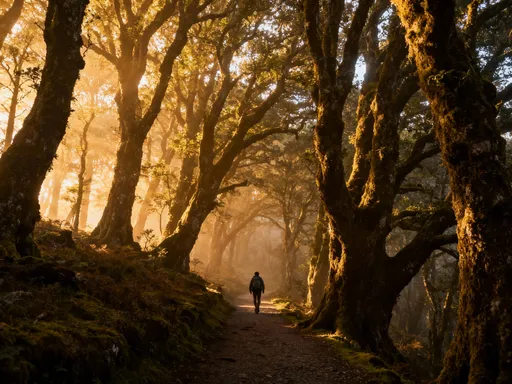
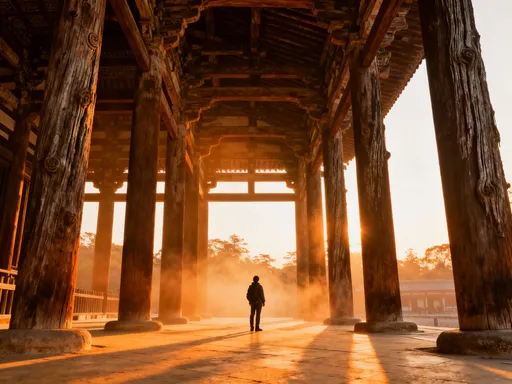
Karuizawa, Japan, is more than just a mountain retreat—it’s a design lover’s dream. Nestled in the cool highlands, its unique blend of modern minimalism and traditional Japanese aesthetics creates a visual harmony like no other. But here’s the thing: not every architectural gem is easy to find, and some spots are easy to miss or misjudge. I learned this the hard way. What began as a simple weekend escape turned into a quiet pilgrimage through forests of cedar and whispers of shoji screens, where architecture doesn’t shout but hums softly beneath the trees. This is a place where form follows not only function but feeling—where concrete meets moss, glass dissolves into sky, and homes seem to breathe with the seasons. Yet, beneath its serene surface lies a subtle complexity that demands attention, patience, and respect.
The Allure of Karuizawa’s Architectural Landscape
Karuizawa has long held a special place in Japan’s cultural imagination. Since the late 19th century, when foreign missionaries and diplomats first discovered its crisp alpine air and pine-scented hills, it has served as a sanctuary for those seeking respite from urban life. What began as a quiet summer colony evolved into one of Japan’s most celebrated resort towns, attracting artists, intellectuals, and later, architects eager to respond to its natural beauty. The town’s elevation—around 1,000 meters above sea level—brings cooler temperatures and dramatic seasonal shifts, making it ideal for both relaxation and reflection. These environmental qualities have deeply influenced the way buildings are conceived and constructed here.
The architectural identity of Karuizawa was significantly shaped by postwar modernism and Japan’s growing openness to international design ideas. In the 1950s and 60s, Japanese architects returning from studies abroad brought back principles of Bauhaus simplicity, Scandinavian functionality, and American organic architecture. They fused these with traditional elements such as tatami rooms, engawa (verandas), and post-and-beam construction, creating a hybrid style uniquely suited to Karuizawa’s setting. Architects like Kunio Maekawa and Junzo Yoshimura helped lay the foundation for this synthesis, designing homes that were neither purely Western nor strictly Japanese, but something quietly new—a language of restraint and intention.
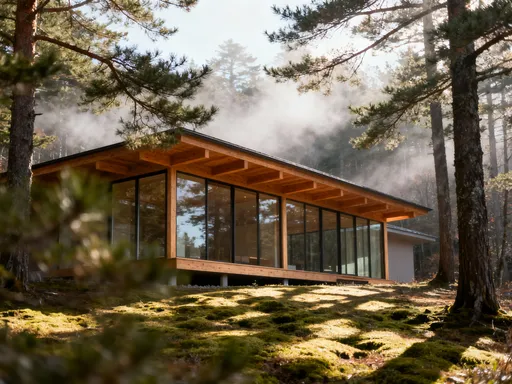
Nature remains the ultimate collaborator in Karuizawa’s built environment. The dense forests of Japanese beech and fir, the sloping terrain, and the ever-present play of light and shadow dictate design choices. Rather than imposing structures onto the landscape, architects work with it—carving into hillsides, wrapping around trees, or elevating homes on stilts to minimize disruption. This sensitivity results in buildings that feel embedded rather than inserted. Large overhangs protect against snow and rain, while wide eaves create shaded transitional spaces between indoors and out. It’s not architecture that dominates nature, but one that listens to it—an ethos that continues to define Karuizawa’s aesthetic character today.
Why Architecture Defines the Karuizawa Experience
In Karuizawa, buildings are not merely shelters—they are integral to the experience of being there. Every line, material, and opening is considered for how it shapes perception, mood, and connection. Unlike cities where architecture serves density and efficiency, here it serves stillness and contemplation. Visitors often find themselves pausing not just at scenic viewpoints, but at the way sunlight filters through a paper screen, or how a wooden deck aligns perfectly with the curve of a hill. These moments are not accidental; they are designed. The architecture invites slowness, encouraging guests to notice textures, sounds, and subtle shifts in atmosphere.
One of the most distinctive features of Karuizawa’s homes and public spaces is the seamless integration of interior and exterior. Sliding glass walls, retractable partitions, and open-plan living areas dissolve boundaries, allowing residents and visitors to move fluidly between inside and outside. In spring, cherry blossoms drift onto tatami floors; in autumn, golden ginkgo leaves land on polished concrete patios. This fluidity enhances comfort by extending usable space and deepening sensory engagement with the environment. Even in winter, when snow blankets the ground, large windows frame the landscape like living paintings, turning storms into spectacles rather than inconveniences.
Materiality plays a crucial role in this experiential design. Local woods such as Japanese cedar (sugi) and cypress (hinoki) are favored for their warmth, durability, and natural resistance to moisture. These materials age gracefully, developing a soft patina over time that speaks to the passage of seasons. Stone foundations anchor buildings to the earth, while exposed beams and joinery celebrate craftsmanship. Privacy is maintained not through walls or fences, but through thoughtful placement, strategic screening with bamboo or evergreens, and the use of elevation changes. The result is a sense of seclusion without isolation—a rare balance that contributes profoundly to the emotional well-being of those who stay here.
Hidden Gems vs. Overhyped Spots: What’s Worth Your Time
While Karuizawa draws increasing numbers of tourists each year, not all architectural highlights are equally accessible—or authentic. Some of the most photographed sites are also the most commercialized, their original spirit diluted by crowds, souvenir shops, or poorly matched renovations. The Karuizawa Ginza shopping street, for instance, retains charm but reflects more of a curated tourist experience than genuine architectural innovation. Similarly, certain so-called “designer cafes” occupy buildings that mimic modernist styles without understanding their underlying principles, offering aesthetics without depth.
Far more rewarding are the lesser-known locations tucked into residential neighborhoods or nestled along forest trails. These include private villas designed by renowned architects that, while not open to the public, can be respectfully viewed from designated paths. The Shishiku Pond area, for example, features several award-winning homes that exemplify the fusion of minimalism and nature integration. Though visitors cannot enter, walking the perimeter offers insight into how form, material, and site work in concert. Another overlooked gem is the cluster of mid-century modern houses near Asama Shrine, where low-slung roofs and board-and-batten siding echo the surrounding forest tones.
To distinguish authentic design from imitation, look for consistency in proportion, material honesty, and responsiveness to context. Authentic architecture in Karuizawa rarely seeks attention; it blends. Be cautious of buildings that feel overly decorative, use synthetic materials, or disrupt the natural topography. A useful rule of thumb is to ask whether the structure enhances the landscape or competes with it. Additionally, consider visiting during off-peak seasons—early spring or late autumn—when temporary closures of commercial spaces reveal quieter streets and allow for more contemplative observation. By shifting focus from popularity to presence, travelers gain access to a deeper, more truthful layer of Karuizawa’s architectural soul.
Common Pitfalls Travelers Face When Exploring Karuizawa’s Design Scene
Even well-intentioned visitors often fall into predictable traps when navigating Karuizawa’s architectural offerings. One of the most common mistakes is assuming that any modern-looking building is inherently worth visiting. While Karuizawa does attract innovative design, not all contemporary structures reflect thoughtful architecture. Some newer developments prioritize luxury finishes over spatial integrity, resulting in homes that feel cold or disconnected from their surroundings. These buildings may feature sleek lines and large windows, but lack the deeper harmony with nature that defines the region’s best work.
Another frequent error involves access. Many of Karuizawa’s most significant architectural works are private residences, artist studios, or seasonal retreats that are not open to the public. Unlike museums or galleries, these spaces do not have visiting hours or signage indicating their importance. Travelers sometimes mistakenly believe they can tour them, leading to unintentional trespassing or disturbances. This not only breaches local etiquette but risks alienating residents who value privacy and quiet. It’s essential to recognize that admiration does not require proximity—some of the most profound experiences come from observing a building from a respectful distance, allowing its relationship to light, shadow, and landscape to unfold gradually.
A third pitfall is overreliance on digital tools. Standard mapping apps often fail to mark architecturally significant sites unless they are commercial venues. A striking home hidden behind trees may not appear on Google Maps, while a generic restaurant with Wi-Fi and parking does. Travelers who depend solely on navigation apps may miss entire neighborhoods known for their design quality. Instead, supplement digital resources with printed walking guides from local tourist centers, architecture-focused brochures, or recommendations from knowledgeable staff at boutique hotels. These sources often highlight non-commercial sites and provide historical context that enriches understanding. Awareness of these common missteps can transform a superficial tour into a meaningful exploration.
How to Plan an Architecture-Focused Visit Without Wasting Time
Planning a successful architectural tour of Karuizawa requires more than selecting dates and booking accommodations—it demands intentionality. Timing plays a critical role. The shoulder seasons—April to early May and October to early November—offer optimal conditions for viewing architecture. During these months, crowds are thinner, foliage enhances visual contrast, and natural light is soft and directional, highlighting textures and forms. Early mornings and late afternoons provide the best illumination, with low-angle sunlight casting long shadows that emphasize material depth and spatial layering.
To make the most of your visit, consider joining a guided walking tour led by a local architect or design historian. Several cultural organizations and independent guides offer themed itineraries focused on modernist homes, sustainable design, or postwar residential development. These tours often include access to semi-private spaces such as artist studios or community centers that are not widely advertised. Alternatively, pick up an official architecture map from the Karuizawa Tourist Information Center, which marks key public buildings and suggests self-guided routes. Some hotels also partner with local experts to offer curated experiences, including behind-the-scenes insights into notable properties.
Transportation flexibility enhances exploration. While driving is an option, it limits access to narrow residential lanes and increases the risk of missing subtle details. Biking, on the other hand, offers a balanced pace—fast enough to cover ground, slow enough to observe. Rental bicycles are readily available throughout town, including electric models that assist with Karuizawa’s gentle slopes. For deeper immersion, walking remains the most rewarding method, especially in areas like the Karuizawa Prince Hotel forest zone or the Hoshino Resorts neighborhood, where pathways meander past carefully composed structures. Regardless of mode, carry a notebook or camera to document details: the way a roofline meets the sky, the grain of weathered wood, or the rhythm of vertical siding against a backdrop of green.
Iconic Yet Accessible: Public Buildings That Showcase Karuizawa’s Design Ethos
For travelers seeking authentic architectural experiences without infringing on private spaces, Karuizawa offers several publicly accessible buildings that embody its design philosophy. Among the most celebrated is the Kiyomizu Hall at Seisen University, a serene wooden structure designed by Hiroshi Nakamura & NAP. The building appears to float above a reflecting pool, its curved roof inspired by the wings of a praying mantis. Inside, natural light filters through a central oculus, creating a meditative atmosphere ideal for contemplation. The use of locally sourced timber and handcrafted joinery reflects a deep respect for material and craft, making it a living example of Japanese design values.
Another standout is the Karuizawa New Church, designed by renowned architect Tadao Ando. Though smaller in scale than his urban projects, this chapel distills his signature style—raw concrete, geometric precision, and spiritual minimalism—into a mountain context. Light enters through narrow slits in the walls, shifting throughout the day like a sundial. The interior remains intentionally austere, focusing attention on the interplay between shadow and silence. Despite its modern materials, the church feels deeply rooted, its mass and texture echoing the surrounding volcanic rock. Visitors often describe a sense of calm that lingers long after departure—a testament to architecture’s power to shape emotion.
The Kogen Museum of Art also deserves attention. Set within a low-profile building that follows the natural slope of the land, it blends into the forest rather than interrupting it. Large glass facades open onto curated gardens, blurring the line between gallery and landscape. Inside, rotating exhibitions often feature works that respond to nature, further reinforcing the connection between art, architecture, and environment. The museum shop sells books on Japanese design and locally made crafts, offering meaningful souvenirs that support the community. These public spaces demonstrate that Karuizawa’s architectural excellence is not confined to private estates—it is shared, accessible, and deeply intentional.
Responsible Exploration: Respecting Privacy While Enjoying Beauty
As interest in Karuizawa’s architecture grows, so does the responsibility to engage with it ethically. Many of the town’s most beautiful homes are lived-in, not staged. They belong to families, artists, and retirees who chose Karuizawa for its tranquility. Respecting their privacy is not just polite—it is essential to preserving the very qualities that make the town special. Avoid lingering near private driveways, photographing interiors without permission, or attempting to enter restricted areas. Instead, practice mindful observation: pause, reflect, and appreciate from a distance. True appreciation does not require intrusion.
Supporting the local culture is another way to contribute positively. Purchase books or prints from independent design stores, attend seasonal exhibitions at community centers, or dine at restaurants housed in thoughtfully restored buildings. These choices sustain the creative ecosystem that nurtures Karuizawa’s architectural identity. Some studios and workshops open their doors during annual events like the Karuizawa Design Week, offering rare glimpses into the design process. Participating in such events fosters connection and ensures that tourism benefits residents, not just visitors.
Ultimately, the way we explore shapes what remains. When travelers prioritize reverence over access, they help protect Karuizawa’s delicate balance between innovation and tradition, seclusion and sharing. The architecture here is not a spectacle to be consumed but a philosophy to be absorbed. By moving quietly, looking deeply, and acting with care, visitors become part of a larger story—one where beauty is preserved not through control, but through respect.
Karuizawa’s architecture isn’t just about style—it’s a philosophy of living in balance with nature. While the journey to truly appreciate it comes with missteps, avoiding common pitfalls unlocks a deeper, more rewarding experience. By choosing awareness over access and respect over curiosity, travelers can engage with one of Japan’s most thoughtful design landscapes in a meaningful way. These buildings do not shout for attention; they wait. And in that quiet, there is wisdom—for how we build, how we live, and how we belong to the places we love.